
Romeo Gongora –
November 2025
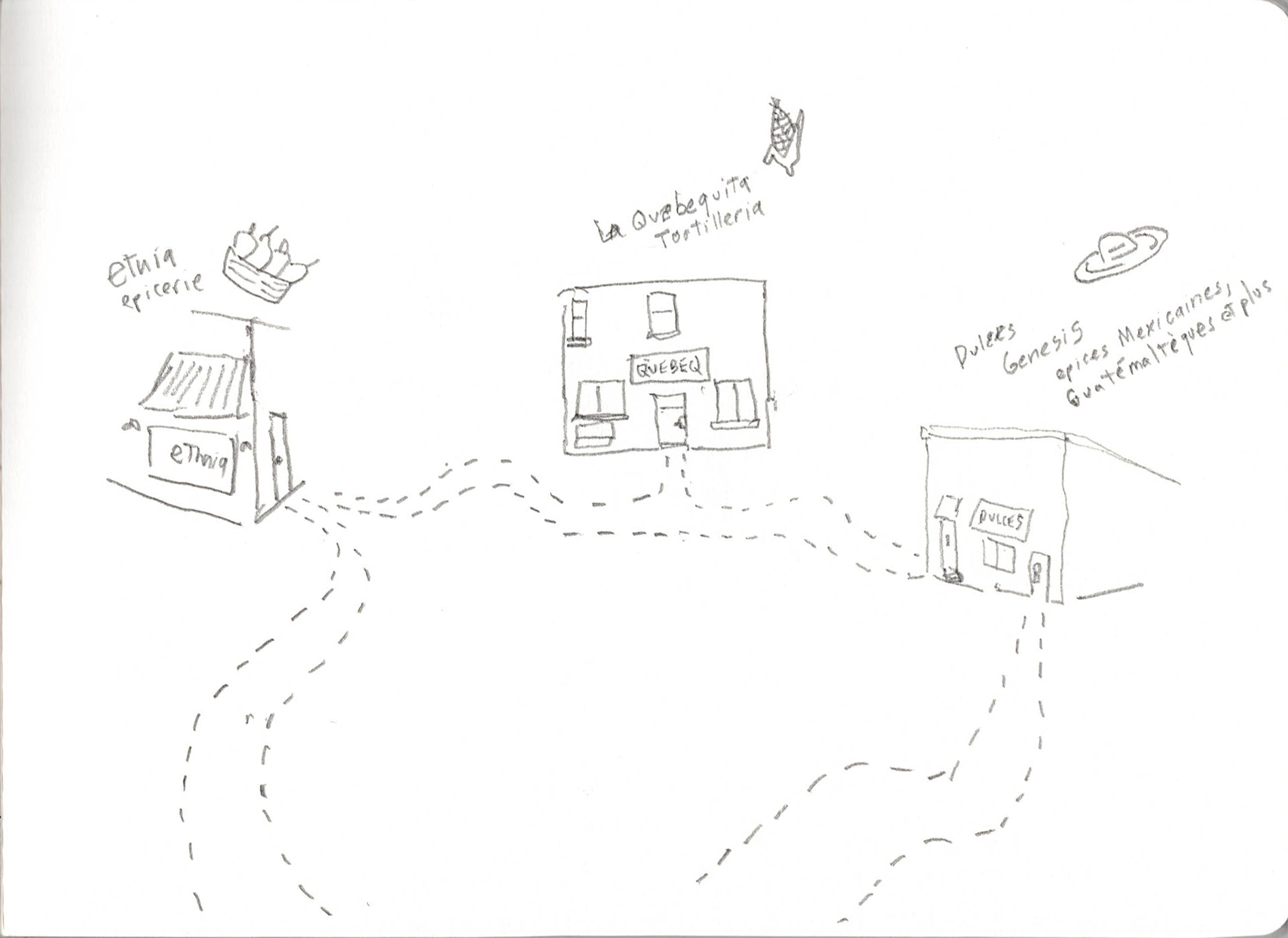
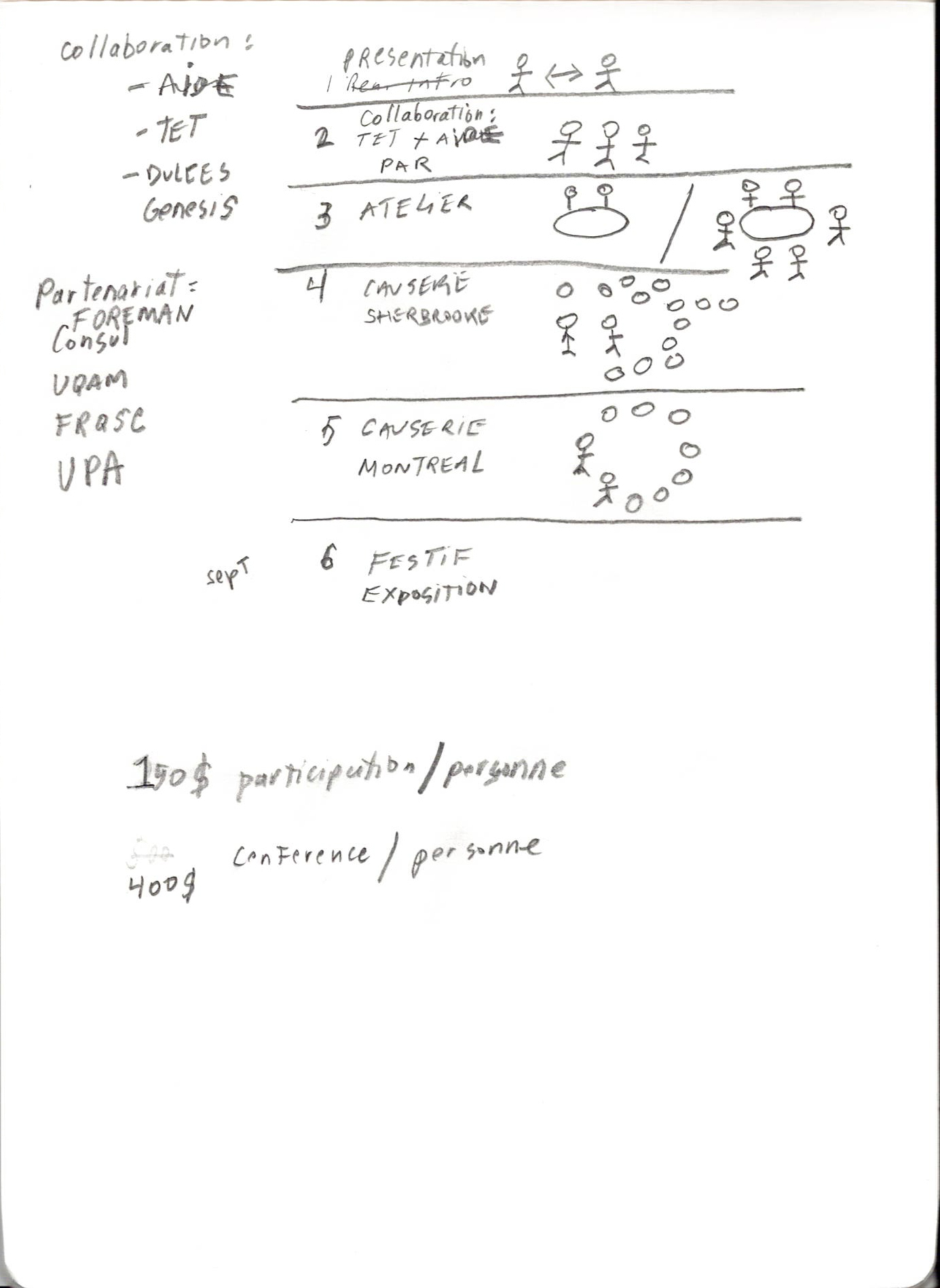
From September 8 to 11, 2025, I began my residency at the Foreman Art Gallery by getting to know the Guatemalan communities in Sherbrooke. This first visit allowed me to develop ties with the territory and those who shape it: businesses, organizations, community spaces, and migrants.
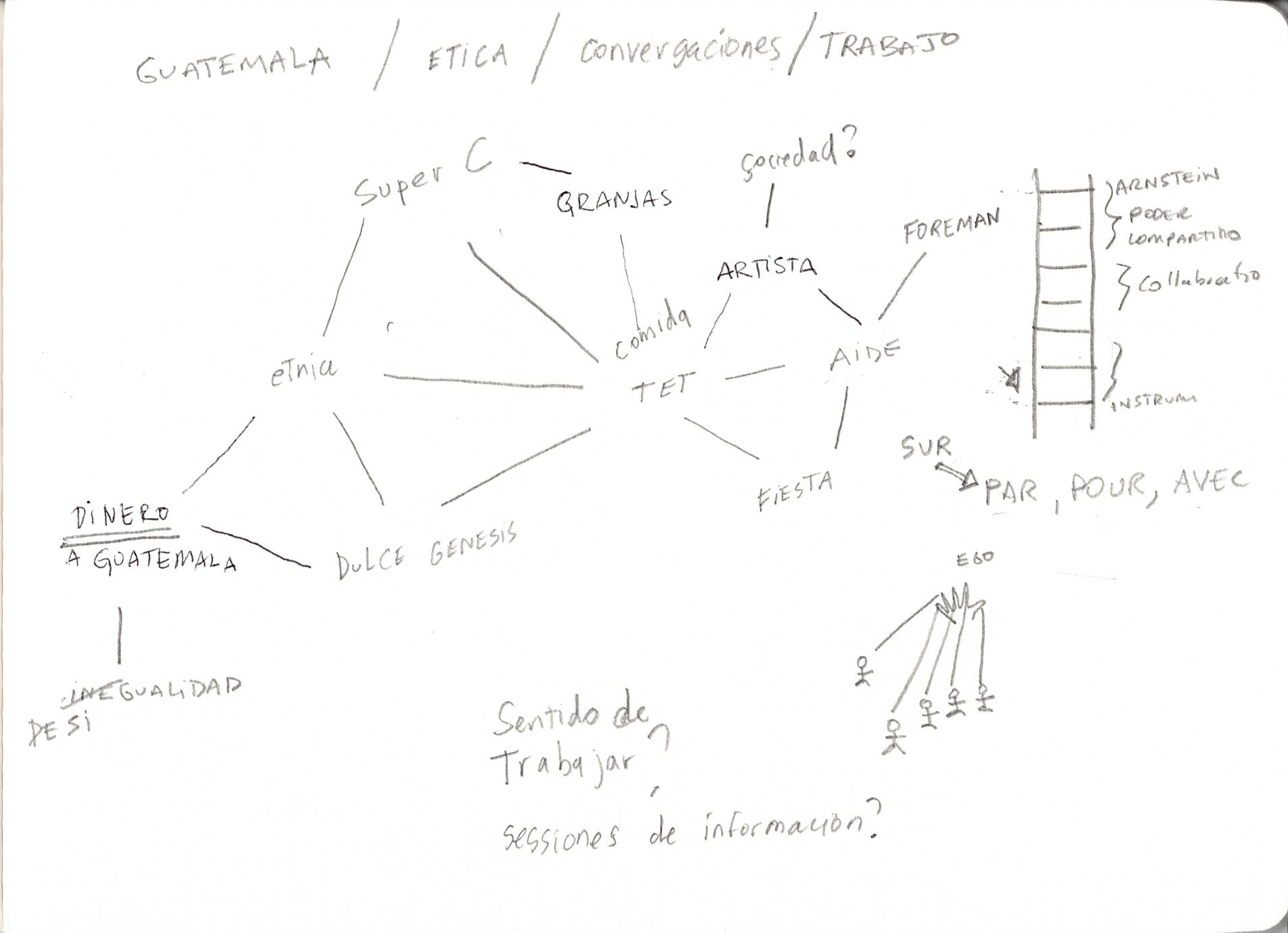
In particular, I met with the team from AIDE – Actions interculturelles de développement – et d’éducation (Intercultural Development and Education Actions), with whom the project will focus on the realities experienced by Guatemalan temporary foreign workers. These initial exchanges raised a series of essential questions: how can we make these often invisible presences visible? What artistic actions can promote the recognition and transmission of their experiences?
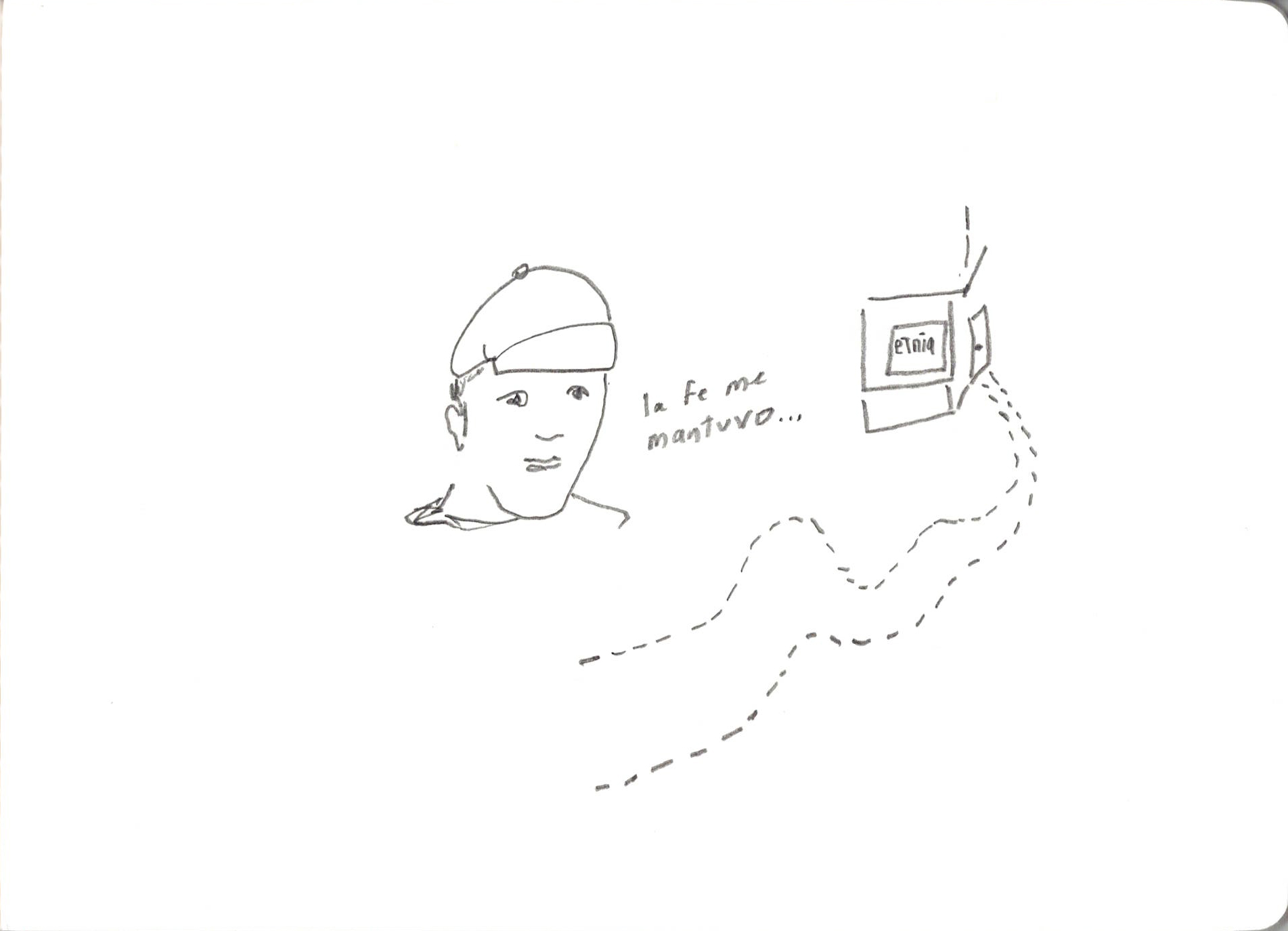
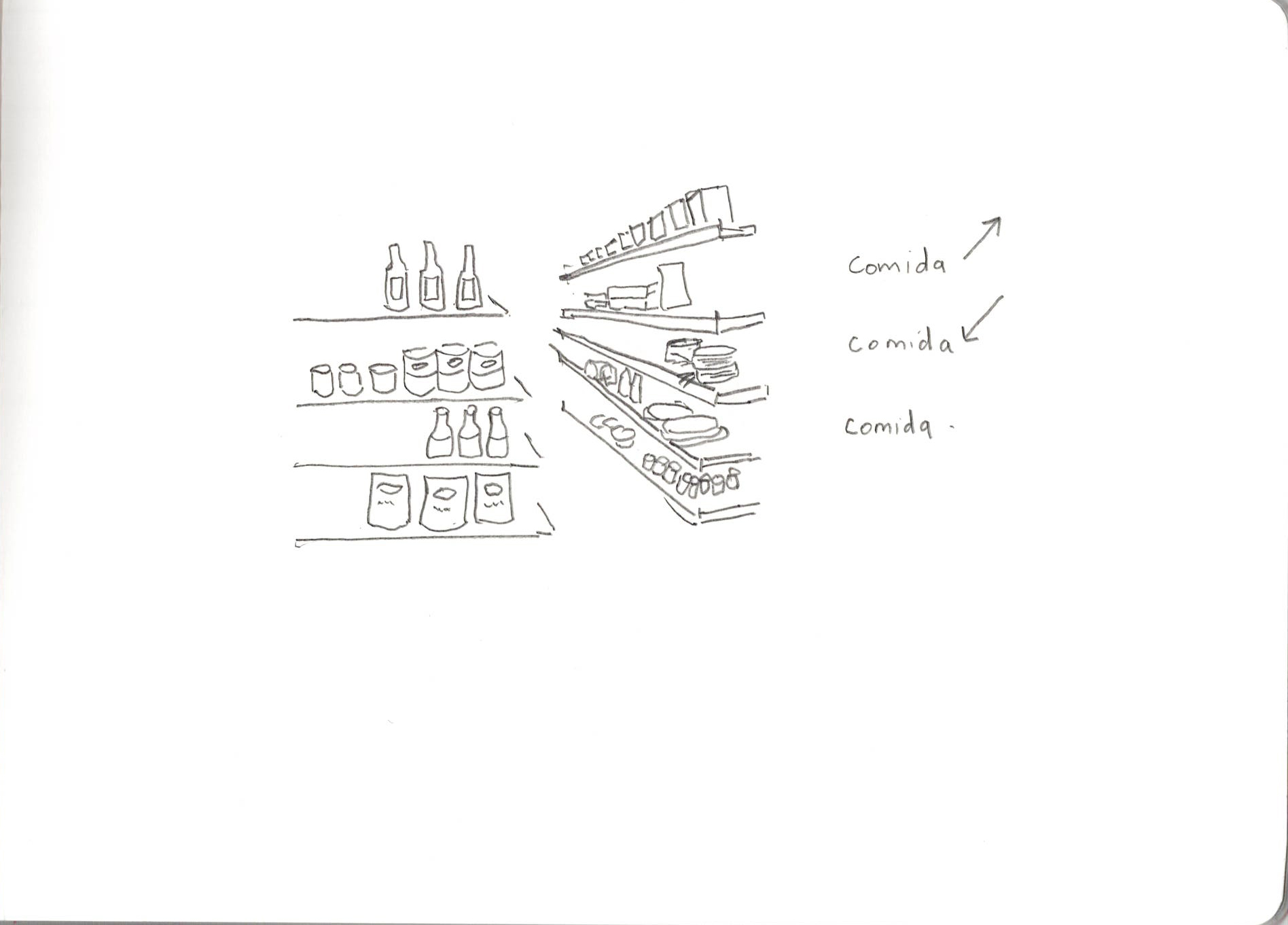
While walking around Sherbrooke, I spoke with shopkeepers and community members who told me about the struggles they went through to settle here. Their stories, marked by perseverance and dignity, reveal an invisible thread connecting work and food. People work to feed themselves, to feed their families back in Guatemala, to feed Quebec and those it welcomes, and also to feed businesses.
This essential workforce, which we nonetheless turn invisible, resonates all the more strongly given the anti-immigration rhetoric in Quebec’s political landscape: exploited when the need arises to be fed, then presented as a threat once our bellies are full. Through these voices and actions, the political substance of subsistence reveals the invisible chains of migrant labor, where hospitality and hostility coexist in today’s Quebec.
This blog will document the different stages of the residency until its presentation at the Foreman Art Gallery in the fall of 2026.
Romeo Gongora –
Noviembre de 2025
Del 8 al 11 de septiembre de 2025, inicié mi residencia en la Galería de Arte Foreman yendo al encuentro de las comunidades guatemaltecas de Sherbrooke. Esta primera estancia me permitió establecer vínculos con el territorio y con quienes lo conforman: comercios, organizaciones, espacios comunitarios y personas migrantes.
En particular, me reuní con el equipo de AIDE (Acciones Interculturales de Desarrollo y Educación), con quienes desarrollaré el proyecto en torno a las realidades vividas por los trabajadores y las trabajadoras extranjeros temporales guatemaltecos. Estos primeros intercambios dieron lugar a una serie de preguntas fundamentales: ¿cómo hacer visibles estas presencias a menudo silenciadas?, ¿qué acciones artísticas pueden favorecer el reconocimiento y la transmisión de sus experiencias?
Mientras paseaba por Sherbrooke, conversé con comerciantes y miembros de la comunidad que me hablaron de las dificultades que habían atravesado para establecerse aquí. Sus relatos, impregnados de perseverancia y dignidad, revelan un hilo invisible que conecta el trabajo y la alimentación. Se trabaja para alimentarse, para alimentar a la familia que se ha quedado en Guatemala, para alimentar a Quebec y a quienes acogen, y también para alimentar a las empresas.
Esta mano de obra esencial, que sin embargo se invisibiliza, cobra mayor fuerza ante los discursos antiinmigración del panorama político de Quebec: explotados cuando se necesita que nos alimenten y presentados como una amenaza cuando tenemos el estómago lleno.
A través de estas voces y gestos, la política de la subsistencia revela las cadenas invisibles del trabajo migrante, donde la hospitalidad y la hostilidad coexisten en el Quebec de hoy.
Este blog documentará las diferentes etapas de la residencia hasta su presentación en la Galería de Arte Foreman en el otoño de 2026.